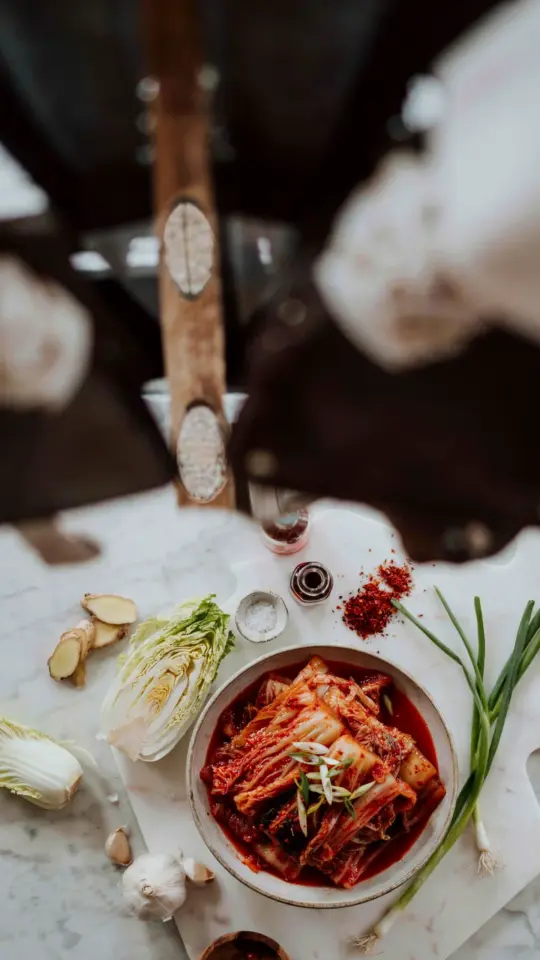
If you have been craving something warm, chewy, and just spicy enough to clear your sinuses, these spicy Korean potato noodles are your answer. Honestly, the first time I made them, I stood over the stove eating directly from the pan. Not my proudest moment, but also not my last. The thick, bouncy noodles cling to a garlicky chili oil sauce that hits that perfect balance of heat and tangy brightness. And on a chilly fall evening? There is honestly nothing better. They come together faster than you can decide what to order for delivery, and the texture is pure joy.
Easy Spicy Korean Potato Noodles for a Weeknight Dinner
Look, I am not a gourmet chef. I am someone who wants dinner on the table in under 20 minutes without sacrificing flavor. These noodles deliver. You boil the potato starch noodles until they turn translucent and delightfully chewy, then toss them in a sauce made from gochugaru (Korean chili flakes), soy sauce, garlic, sesame oil, and a splash of vinegar. That is it. No complicated steps, no obscure ingredients that require a special trip. I keep a bag of these noodles in my pantry at all times because they save me on lazy nights. One tip: do not overcook them. Potato noodles go from perfect to mushy fast. Drain them the second they turn clear and bouncy.
The sauce comes together while the noodles cook. Mince a few cloves of garlic, mix your chili flakes with a little hot oil to bloom the flavor, then stir in the rest. Taste it. Adjust the tang with more vinegar or the heat with an extra pinch of gochugaru. That personal touch makes it yours.
Load It Up with Vegetables for Extra Texture
These noodles are great plain, but I rarely leave them that way. Adding vegetables turns a simple bowl into a full meal with contrasting crunch. My go-to list changes with the season, but here are my usual suspects:
- Thinly sliced bell peppers (red or orange for sweetness)
- Julienned carrots (I use a peeler, not a knife, because I am lazy and it works)
- A handful of fresh spinach wilted in the residual heat of the noodles
- Crunchy bean sprouts (blanch them for 30 seconds if you want them tender, or leave them raw for serious crunch)
Stir fry the harder veggies in a little sesame oil before adding the noodles and sauce. The slight char on the peppers and carrots adds a smoky depth that balances the spicy tang. I also like to toss in some sliced scallions at the very end. They stay bright and fresh, a little pop of green in all that red. Honestly, I have started adding a handful of frozen edamame too. Protein, color, and it feels like I am being healthy even when I am not really trying.
Tame the Heat Without Losing the Flavor
Not everyone wants their noodles to set their mouth on fire. I get it. Some nights you want the comfort without the sweat. The good news is you can dial back the spice without ruining the dish. Here is the trick: swap half the gochugaru for gochujang (Korean chili paste). Gochujang has a fermented sweetness and a milder kick. You still get that deep, savory Korean flavor, just less aggressive. Another option is to add a spoonful of sugar or honey to the sauce. A little sweetness rounds out the chili and makes it more approachable for sensitive palates.
If you already made the sauce and it is too hot, do not panic. Stir in a tablespoon of sesame oil or a splash of cream (yes, cream, try it). The fat coats your tongue and dulls the burn. Or serve the noodles with a side of plain yogurt or a soft boiled egg. The runny yolk acts like a heat buffer. I learned that one the hard way after a batch of noodles that was way too aggressive for a Tuesday night.
The Coziest Bowl for Fall Nights
There is something about thick, chewy noodles that just screams autumn comfort. Maybe because they feel substantial, like they are hugging you from the inside. On a cold evening, I like to turn these spicy Korean potato noodles into a proper bowl. I start with a base of the noodles and sauce, then pile on a fried egg with a runny yolk, some quick pickled cucumbers (just rice vinegar, salt, and a pinch of sugar), and a generous sprinkle of sesame seeds. The temperature contrast is key: hot noodles, cool pickles, warm yolk. Textures bounce off each other. The acidity of the pickles cuts through the chili oil fat. It tastes like something you would get at a trendy Korean fusion spot, but you made it in your kitchen while wearing sweatpants. That is the dream, right?
I also toast a handful of crushed peanuts or cashews and scatter them on top. Those little bits of dry heat and crunch? They make the dish feel complete. And if you have a bag of frozen kimchi in your fridge (I always do, because fresh kimchi goes bad too fast), stir a spoonful into the sauce. Instant umami depth.
Korean Potato Noodles for Meal Prep and Leftovers
Can you make these noodles ahead of time? Yes, with one important caveat. Potato starch noodles are best freshly cooked because they lose that bouncy texture when refrigerated. They turn stiff and clumpy. But here is a workaround: prep the sauce and chop your vegetables separately. Store them in the fridge. Then when you want a quick bowl, boil only the portion of noodles you need. Boiling takes seven minutes. That is less time than reheating leftovers in the microwave anyway. I keep a bag of dry noodles in the pantry and a jar of the garlic chili sauce in the fridge. It lasts for weeks. That way I can have a bowl in under ten minutes any day of the week.
If you do have leftover cooked noodles, do not toss them. Rinse them under cold water to remove excess starch, then stir fry them the next day with whatever leftover veggies and a little more sesame oil. They will be chewier and slightly crisp on the edges, like a Korean-style lo mein. Not as good as fresh, but still pretty darn satisfying.
The Ultimate Topping Combo (and a Weird Personal Favorite)
I have tested many topping combinations on these noodles. My current obsession? A dollop of Japanese mayonnaise (the kind in the squeeze bottle), a sprinkle of furikake (rice seasoning), and a handful of crushed potato chips. Yes, potato chips. The salt, the crunch, the slight greasiness. It sounds absurd, but it works. The mayo adds creaminess, the furikake adds seaweed and sesame notes, and the chips bring a texture that perfectly complements the chewy noodles. Try it once. You might hate me, or you might thank me. I am okay with either outcome. Also, I always garnish with extra sliced scallions because they make the bowl look professional even when the noodles are a tangled mess. Honestly, that is half the battle: making it look good enough to photograph before you inhale it.
Another odd habit: I eat these noodles with a spoon, not chopsticks. The thick sauce clings better to a spoon, and I can scoop up every last drop. Controversial? Maybe. But I stand by it.
Conclusion
Spicy Korean potato noodles are not complicated. They are fast, forgiving, and endlessly adaptable. Whether you want a quick solo dinner, a veggie-loaded bowl, or a spicy meal you can tone down for sensitive taste buds, this recipe bends to your mood. Fall nights get dark early, and cooking something this satisfying with minimal effort feels like a small win. Give it a try this week. You will probably end up eating straight from the pan, just like I do. And if you do, no judgment here.
If you liked this roundup of ideas, pin it for later or tag me when you make your own bowl. I love seeing what toppings people invent.
#koreanfood #potatonoodles #spicynoodles #easyrecipe #comfortfood
Leave a Comment