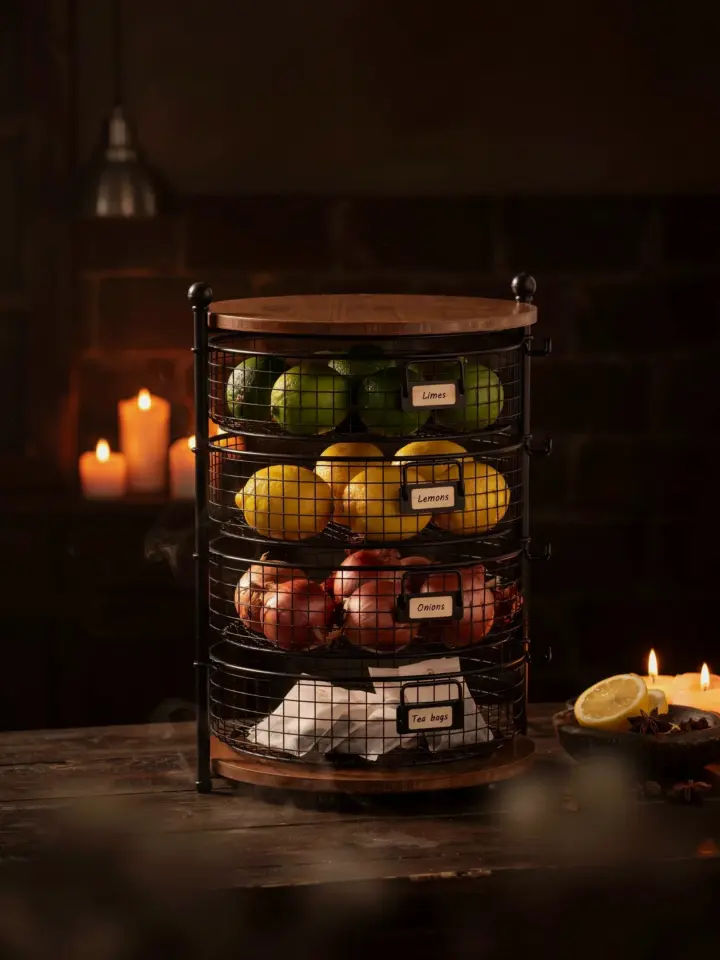
If your koreanpantry looks like a jumble of red pepper paste pouches and tiny sesame seed jars, this mini round organizer might be your new best friend. I found one at a dollar store, and it completely changed how I grab ingredients for kimchi jjigae. No more fumbling, no more knocking over a bottle of sesame oil while reaching for gochugaru. Just a simple round bin that corrals all the small stuff together. You can find them in kitchen supply stores or online search for “mini lazy Susan” or “round caddy.” Let me walk you through how I set mine up and why it works so well.
Why a Mini Round Organizer Works for Korean Pantry Items
Korean cooking uses a surprising number of small jars, pouches, and packets. Gochujang often comes in a plastic tub, but the squeeze packets are more common for quick use. Sesame seeds, both white and black, arrive in tiny bags. Seaweed flakes, dried anchovies, and even the little tubes of garlic paste all end up scattered across the shelf. A mini round organizer creates a designated home for them. Because it rotates or simply sits as a compact circle, you can easily see everything at once. No more digging through a deep cabinet to find that one packet of gochugaru.
Another reason this works is the size. Most Korean condiment containers are squat and round, not tall and square. A rectangular bin leaves wasted space in the corners. A round organizer matches the natural shape of the jars, so everything fits snugly without shifting. Plus, it keeps the bottles upright. I used to store sesame seeds on their side, and they always spilled. Now they stand straight inside the caddy.
Step by Step: Setting Up Your Mini Round Organizer
Here is the exact process I follow. It takes about ten minutes and saves me time every single week.
- Clear the shelf. Take everything off the shelf where you want the organizer. Wipe down the surface. You want a clean starting point.
- Gather your small condiments. Collect all packets, tiny jars, and pouches that are under four inches tall. Think gochujang squeeze packets, sesame seed bags, nori strips, dried chili flakes, and any single-use soy sauce or vinegar packets.
- Group by frequency of use. Separate items you reach for daily (gochujang, sesame seeds) from occasional ones (seaweed flakes for soup). Put the daily items in the organizer and store the occasional ones nearby in a small bin.
- Place the organizer on the shelf. Slide it near the front edge so you can grab items without moving other things. If it’s a lazy Susan style, give it enough clearance to spin.
- Load the items. Stand jars upright, lay flat packets in a row, and tuck pouches into the gaps. Try to keep labels facing outward. You can use small binder clips to close open packets.
- Test the reach. Take one item out and put it back. Make sure everything stays in place. Adjust as needed.
I keep my mini round organizer on the middle shelf of my pantry, right next to the gochugaru jar and the soybean paste tub. That way the€ core kimchi jjigae ingredients form a single zone.
Best Containers and Pouches for This Storage Method
Not every pouch fits neatly into a round organizer. I have learned a few tricks. For sesame seeds, if the original bag is flimsy, I transfer them into a small glass jar with a flip-top lid. The jar fits perfectly upright in the organizer and stays fresh longer. For gochujang, I keep the original squeeze bottle if it’s under five ounces. The brand I buy comes in a short squat bottle that stands steady.
For those little clear packets of dried anchovy stock or kelp, I never open them until I use the whole pack. I simply put the whole unopened pouch into the organizer. Same for individual servings of toasted sesame oil or soy sauce that come with takeout. They all line up around the inner edge. If you have a few taller bottles, like fish sauce or vinegar, place them outside the organizer on the same shelf. The round caddy is strictly for the small stuff under 4 inches tall.
One more tip: if you buy gochugaru (Korean chili flakes) in a large bag, do not put the whole bag in the organizer. Instead, keep a small airtight container inside the caddy and refill it from the big bag stored elsewhere. That saves space and keeps the flakes fresh.
How to Keep Your Kimchi Jjigae Ingredients Ready to Go
Kimchi jjigae is my go-to quick meal, and the mini round organizer makes it possible to start cooking without searching. I keep the organizer stocked with three key items: a gochujang squeeze pouch, a small jar of sesame seeds, and a packet of dried anchovy stock. That is all I need for the base. When I want to cook, I pull the organizer toward me, grab each item, and put them on the counter. The kimchi is already in the fridge, the tofu is on the next shelf, and the water is in the kettle.
I also store a tiny container of minced garlic inside the organizer. Garlic paste in a tube fits easily. If you prefer fresh garlic, you can keep a head of garlic nearby, but the tube saves time on busy nights. The whole setup means I can have the pot simmering within three minutes of deciding to make stew. No rummaging, no frustration, just grab and go.
Other Asian Pantry Uses for This Same Organizer
The mini round organizer is not limited to Korean condiments. It works beautifully for a Japanese pantry too. I use a second one for miso paste packets, furikake shakers, and small bottles of mirin. You can also put it in the fridge for kimchi storage (small tubs of radish kimchi or water kimchi fit perfectly). For a Chinese pantry, try using it for chili oil packets, sesame paste jars, and dried shrimp pouches.
If you have a dedicated Asian pantry section, the round organizer helps define the area. I label the outside with a small piece of masking tape that says “condiments.” My family knows that if they need gochujang or black vinegar, they check the round caddy first. It prevents them from buying duplicates or leaving half-used packets all over the shelf.
A Few Tips to Maintain Order Long Term
An organizer only works if you keep up with it. Here is what I do. Every month, I pull out the entire round caddy and check expiration dates. Old packets of soup base or forgotten sesame seeds go straight to the compost. I also wipe down the inside of the organizer with a damp cloth. Condiment packets can get sticky if oil leaks.
When you buy a new jar or packet, put it in the back of the organizer and move older ones to the front. That way you use them before they expire. I also keep a small pair of scissors on a magnet nearby. Cutting open a pack of dried anchovy stock is much easier with scissors than tearing with teeth. The scissors stay clipped to the lid of my spice jar nearby.
Finally, do not overcrowd the organizer. Leave about 10 percent empty space so you can easily grab things. If you find yourself stuffing too many items, buy a second round caddy and split your condiments by type (fermented vs. dried vs. seeds). Two small organizers are better than one stuffed one.
A mini round organizer is a small investment that pays off every time you cook. It stops the visual noise of scattered packets and turns your Korean pantry into a calm, orderly space. Next time you restock your condiments, grab one of these caddies and test it for yourself. Your future self, standing in front of the stove with a pot of simmering kimchi jjigae, will thank you.
#koreanpantry #organizingtips #pantryorganization #kimchistorage #asianpantry
Leave a Comment