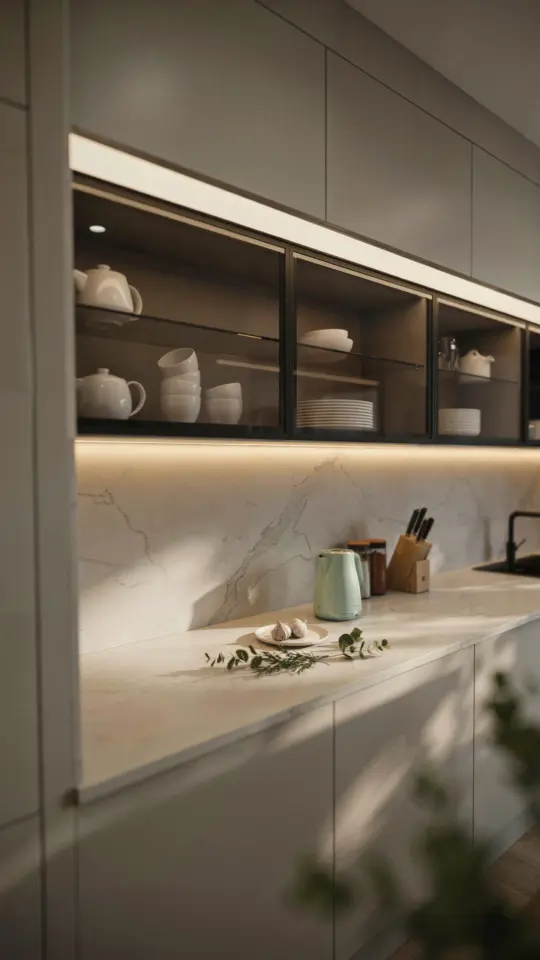
Start With the Shelf Layout for Your Korean Staples
Getting your Korean pantry organization ideas into action doesn’t require a total kitchen remodel. It just takes a little planning around the shapes and sizes of your go-to ingredients. Kimchi jars come in bulky square or round tubs, gochujang paste sits in plastic or metal containers, and bags of rice or dried seaweed need their own spots. I like to group everything by how often I reach for it. The daily players (kimchi, gochujang, ssamjang) go on the easiest shelf, around eye level. Weekly items like dried anchovies, kelp, and sesame oil sit one shelf below. Less used stuff such as mung bean powder or dried jujubes live higher up. This simple zone system keeps me from digging through a messy pile when dinner is half prepped.
Kimchi Storage Solutions for a Mess Free Fridge
Kimchi storage is a challenge because it’s alive. It keeps fermenting, drips juice, and can make your whole fridge smell funky. I’ve learned the hard way that glass containers with tight lids work much better than the original plastic bags. You want something that won’t stain and seals in the scent. Another trick is to place your kimchi jar inside a shallow dish or a small rimmed tray. That catches any overflow when the gases build up and push the lid loose. If you have multiple kinds of kimchi (baechu, kkakdugi, chonggak), label the lids with a dry erase marker so you don’t have to open every container to find the right one.
Small Kitchen Asian Pantry Tips for Tight Spaces
Asian pantry organization in a tiny kitchen means using every inch of vertical space. My go to trick is a door mounted over the rack organizer for small jars of chili flakes, sesame seeds, and powdered seasonings. You can also install a narrow wire shelf between the counter and the upper cabinets for your gochugaru and doenjang containers. Another idea: store your gochujang and ssamjang in squeeze bottles with wide mouths. They take up less room than the original tubs and make portioning easier. For bulk rice or flour, use slim, square bins that stack neatly. Round cans waste too much of that precious shelf depth. Pull everything out once a month and rotate the older jars to the front. That way nothing gets forgotten behind a bag of glass noodles.
- Use clear containers for things like Korean rice cake (tteok) and frozen dumplings so you see what you have.
- Keep a small tray on the counter for daily oils and sauces like sesame oil and vinegar.
- Label everything with a simple sticker or washi tape. Korean fermented pastes look similar when they are in identical bins.
- Store kimchi on a low fridge shelf so it stays at a stable temperature and doesn’t leak onto your produce.
How to Store Gochujang and Doenjang Without the Mess
Korean pantry organization ideas often overlook gochujang and doenjang until they turn into a sticky, crusty disaster. These pastes need airtight containers because they dry out fast at the rim. I transfer them into glass jars with a wide mouth and a rubber gasket. Before you screw the lid on, press a piece of plastic wrap directly onto the surface of the paste. That blocks air contact and stops that hard dark skin from forming. Label the jar with the month you opened it. Gochujang can last a year or more in the fridge, but doenjang is more delicate. Use it within three to four months for the best taste. One more tip: keep a separate small spoon in the jar so you never dip a dirty utensil in and introduce bacteria.
Pantry Organization Hacks for Fermented Staples
Fermented staples like kimchi, fermented shrimp sauce, and soy bean paste need specific care. They do well in the coldest part of the fridge, usually the back of the bottom shelf. I like to store all my ferment jars together in a clear plastic bin. That way if one leaks, the mess stays contained. It also makes it easy to pull the whole bin out when I’m cooking a big batch of jjigae. For smaller items like fermented chili paste in tubes, roll them up tight and clip them to the interior side of the fridge door with a binder clip. Keeps them visible and unrolled. Another trick: place a small piece of paper towel under the kimchi lid to absorb extra moisture and reduce that strong smell. Change it every few days.
Weekly Rotating System for Your Asian Kitchen Zone
Kitchen organization in a small space requires a tiny habit, not a huge overhaul. Every Sunday, before I write my meal plan, I pull out my Korean pantry zone and do a quick check. I move older containers to the front, wipe down any sticky jar bottoms, and toss anything that smells off. This five minute routine has saved me from buying duplicate gochujang more times than I can count. Keep a running list on your phone or a small chalkboard on the inside of a cabinet door. When you finish a container of kimchi or run low on sesame seeds, add it immediately. That way you never have to guess mid recipe. It is a small step, but it keeps your small kitchen feeling spacious and your cooking flow uninterrupted.
Final Thoughts on Keeping Your Korean Pantry Tidy
A well organized Korean pantry is not just about neat shelves. It saves you money, reduces food waste, and makes cooking bibimbap or kimchi jjigae feel effortless. Start with one shelf, test a few storage methods, and adjust as you go. Every kitchen is different, and your layout should match how you actually cook. I hope these ideas give you a practical starting point. Next time you are at the store, grab some clear jars and a label maker. Your future self will thank you when dinner comes together in ten minutes flat. Save this guide and revisit it the next time your kimchi stash starts taking over your fridge.
#KoreanPantry #KimchiStorage #PantryOrganization #AsianPantry #KitchenOrganization
Leave a Comment