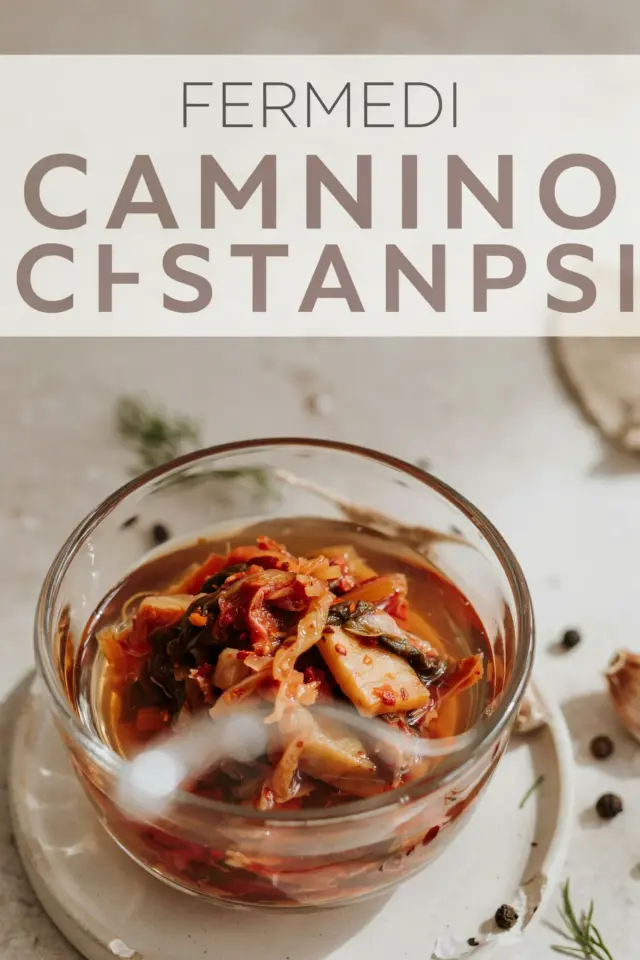
I remember the first time I tried canning my homemade kimchi. I followed a recipe from a popular blog, sealed the jars tightly, and stored them in my pantry. A week later, I opened a jar and noticed a strange smell and fuzzy mold on top. That was my wake up call about kimchi canning mistakes that can ruin a batch and even risk your health. Over the years, I have made several errors, learned from them, and now I want to share the specific ones that matter most for safe fermentation.
Using Too Little Salt for Fermentation
Salt is not just for flavor. It controls which bacteria grow in your kimchi. When I first started, I cut the salt because I thought less was healthier. Big mistake. Too little salt allows harmful pathogens, including Clostridium botulinum, to survive in anaerobic conditions. The brine needs to be around 2 to 3 percent of the total weight of your vegetables. I now weigh everything on a kitchen scale, add sea salt, and test with a salt meter once in a while. If the brine tastes flat or weak, add more salt immediately.
A friend once asked me why her kimchi turned slimy and smelled like rotten eggs. She had used only one tablespoon of salt for a whole head of napa cabbage. That is far too low. Safe fermentation starts with accurate salinity. Do not guess. Measure.
Sealing the Jars Too Tightly
Many beginners think canning means an airtight seal. For water bath canning of pickles, yes. But for kimchi fermentation, you need a way for carbon dioxide to escape. I learned this the hard way when a glass jar exploded in my pantry. The pressure from gas buildup had nowhere to go. Since then, I use fermentation lids with airlocks, or I simply leave the lid loosely screwed on and check it daily.
Improper jar sealing is one of the most controversial kimchi canning mistakes because some experienced fermenters argue that a tight seal on a fully anaerobic ferment is fine. But unless you have precise control over salt and temperature, it is risky. A tight seal with insufficient brine can create a vacuum that draws in air and mold. My advice is to use a dedicated airlock system or burp the jars every day.
Ignoring Temperature Control During Fermentation
Temperature plays a huge role in which microbes thrive. I once left my kimchi in a warm kitchen near the oven, and within 24 hours it was bubbling furiously. It tasted sour and fizzy, and I later learned that high temperatures speed up bacterial growth, including some that produce off flavors or toxic compounds. The ideal range is 60 to 70°F (15 to 21°C). If your house is warmer, find a cool basement corner or use a wine cooler set to 65°F.
- Do not ferment next to a stove, refrigerator exhaust, or in direct sunlight.
- Use a simple thermometer inside the fermentation vessel to monitor temperature.
- If the weather changes, move the jars to a cooler spot or slow down fermentation by refrigerating.
Cold fermentation takes longer but produces a cleaner, safer kimchi. I now plan my batches around seasonal temperatures, starting them in fall or spring when my kitchen stays cool.
Skipping the Burping Step
If you use regular mason jars without airlocks, you must release gas daily. Forgetting this is a common beginner error. The first time I neglected to burp a quart jar for three days, the lid bulged and popped off like a champagne cork. Not only did I lose half the brine on my counter, but the sudden pressure change introduced oxygen that caused mold growth later. I now set a reminder on my phone to burp each jar every morning.
Burping is simple: open the lid slightly to let out gas, then tighten again. But avoid overdoing it. Too much oxygen exposure can allow kahm yeast or mold to develop. A good compromise is to use a fermentation lid that allows gas out but keeps air from coming in. These are cheap and worth the investment for peace of mind.
Using the Wrong Type of Jar
Not all jars are created equal for kimchi. Thin glass can crack under pressure. I once used a decorative vintage jar with a narrow neck. It was impossible to clean properly and the kimchi did not ferment evenly because the surface area was too small. Wide mouth jars are essential. They let you pack the kimchi tightly and submerge it under brine. Also, avoid any jar with a metal lid that does not have a plastic coating, because the salt and acid can corrode the metal and leach unwanted flavors.
My go to jars are half gallon wide mouth Mason jars with plastic lids. For larger batches, I use food grade ceramic crocks with a water seal. The shape and material matter more than you think. If the jar is too tall, the brine may not cover the top layer of vegetables, and that exposed part can rot.
Not Submerging the Kimchi Under Brine
This is the number one cause of mold in my experience. Vegetables that stick out above the brine are exposed to air, and mold loves air. I used to think pressing down with a cabbage leaf would work, but it often floats up again. Now I use a glass fermentation
#kimchi #fermentation #canning #homepreserving #foodsafety
Leave a Comment