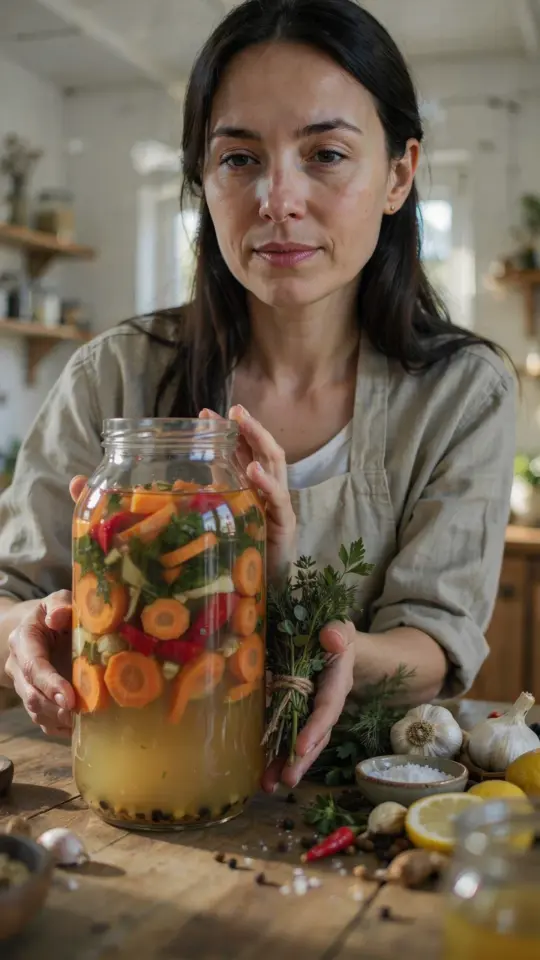
Look, I am not someone who usually keeps ferments bubbling away on my counter. But this fermented lemon ginger honey? It is literally alive on my kitchen counter right now, and I cannot stop peeking at the little bubbles. I slice organic lemons and fresh ginger, cover with raw honey, then let it sit for a week or two. The result? A fizzy, probiotic-rich syrup that is seriously good in hot tea or drizzled over yogurt. Super low effort, high reward – honestly, if I can do this without killing the jar, you can too.
Why This Fermented Lemon Ginger Honey Works for Gut Health
Fermented foods get a lot of hype, and sometimes that hype is deserved. But here is the thing: most of us do not want to spend hours tending a sourdough starter or managing a jar of sauerkraut that smells like a gym sock. This tonic is different. Raw honey is naturally full of friendly bacteria and enzymes, but the magic really happens when you add fresh lemon and ginger. The natural yeasts on the lemon peel and the sugars in the honey start a gentle fermentation. It creates carbonation and a whole new range of probiotics.
Now, I am not a scientist. I just know my digestion felt less grumpy after a week of adding a spoonful to my morning tea. The ginger soothes nausea, the lemon adds vitamin C, and the fermentation process makes those nutrients even easier for your body to absorb. It is a gut-friendly powerhouse that requires zero special equipment. No weird starters, no airlocks, just a jar and some patience.
What You Need to Make Your Homemade Tonic (A Short List)
- Organic lemons (2-3, depending on size). Honestly, non-organic lemons have wax and pesticides on the peel, and since you are fermenting the whole slice, go organic.
- Fresh ginger root (about a 2-inch piece). Do not bother peeling it – just scrub it clean. The peel adds extra flavor and more wild yeasts anyway.
- Raw, unfiltered honey. This is non-negotiable. Pasteurized honey is basically dead, and you need it alive to ferment. Look for stuff that looks cloudy or has bits of wax in it.
- A clean glass jar with a tight-fitting lid. A 16-ounce mason jar works perfectly.
One weird little aside: the first time I made this, I used a jar that had previously held pickles. Even after a hot soapy wash, the pickle ghost came back. My fermented lemon ginger honey tasted faintly of dill. Not great. So please, use a jar that smells like nothing but clean glass.
Step by Step: How to Ferment Lemon and Ginger in Honey
Ok so start by washing your lemons well. I scrub them with a vegetable brush under warm water, then dry them completely. Slice the lemons into thin rounds, maybe a quarter inch thick. Remove any visible seeds because they add bitterness. Then slice your ginger – no need to peel, just thin coins or matchsticks.
Layer everything into your clean jar. Start with a layer of lemon slices, then a few ginger slices, then pour in a generous drizzle of honey. Repeat until the jar is full, leaving about an inch of headspace at the top. Press down gently with a spoon to release air bubbles. The honey should cover everything completely. If it does not, add more honey. That honey seal prevents mold.
Here comes the waiting part. Screw the lid on loosely – do not crank it tight because gas needs to escape. Place the jar on a small plate or in a bowl (trust me, it may leak a little honey). Leave it on your counter at room temperature, out of direct sunlight. Once a day, gently flip the jar upside down and back to redistribute the honey and make sure all slices stay coated. You will see tiny bubbles forming within 24 hours. That is good. That is fermentation doing its thing.
How Long to Ferment and When It Is Ready
I let mine go for about 7 to 10 days. But honestly, taste it after day 5. If you like a milder, sweeter syrup, stop early. If you want more fizz and a tangier bite, let it go for two full weeks. The lemon rinds will soften and the honey will thin out and become almost runny. You might see a little white foam on top – that is normal yeast activity, not mold. If you see fuzzy green or black spots, toss it and start over. But I have never had that happen, and I am not particularly careful.
One thing: the longer it sits, the more the ginger heat mellows. So if you love that spicy ginger kick, stop at day 6 or 7. For a mellow, almost candied ginger flavor, wait until day 14. I personally like it around day 10, when the bubbles are still active but the syrup is not overly sour.
Best Ways to Use Your Probiotic-Rich Syrup
You can do so much more than just tea. Here are my favorite ways to use this gut-friendly tonic:
- Stir a tablespoon into a mug of hot water or herbal tea. The fizz disappears with heat, but the flavor stays. I love it in chamomile.
- Drizzle over plain yogurt or oatmeal. A little goes a long way – it is sweet and tangy at the same time.
- Spoon it over pancakes or waffles instead of maple syrup. Not gonna lie, it is weirdly good with butter.
- Use it as a glaze for roasted carrots or chicken. The honey caramelizes, the lemon brightens, and the ginger adds a subtle warmth.
And if you are feeling adventurous, save the fermented lemon slices after a couple weeks. Chop them up and mix into a salad dressing or chop them fine and add to a grain salad. They are soft and a little boozy-tasting. Not for everyone, but I love them.
Storage and Shelf Life – What I Learned the Hard Way
Once you are happy with the flavor, move the jar to the refrigerator. The cold will slow the fermentation way down, but it will not stop it completely. You will still see tiny bubbles now and then. It keeps for months. Actually, I had a jar in the back of my fridge for about four months once, and it was fine. The lemon rinds got a bit chewy, but the syrup was still delicious and fizzy.
Now, a mild complaint: the honey can crystallize when refrigerated. That is normal. Just let the jar sit on the counter for 15 minutes before using, or run the jar under warm water. Do not microwave it – heat kills the probiotics. Another thing? If you leave it on the counter too long (like three weeks or more), the fermentation gets aggressive and the honey can become alcoholic. That is not dangerous, but it tastes like a weird mead. If you want that, go for it. I do not.
Common Mistakes and How to Avoid Them
People ask me all the time: does this really work? Yes. But you have to use raw honey. I cannot stress that enough. Pasteurized honey will not ferment – it will just sit there and eventually grow mold. Also, do not add water. Water changes the sugar concentration and invites bad bacteria. Just honey and fruit and ginger. That is it.
Another mistake: screwing the lid on too tight. The first time, I closed my jar like a jar of pickles. Two days later the lid was bulging and when I opened it, honey fizzed everywhere like a shaken soda. A sticky mess. So keep that lid loose, just barely fingertip-tight. Or use a cheesecloth cover with a rubber band and then screw on the lid after fermentation slows. Your call.
And here is a tip nobody tells you: if your lemons are really juicy, the syrup may get a bit thin. That is fine. Just stir it before using. Some people add a cinnamon stick or a vanilla bean for extra flavor. I tried that once. Honestly, it overpowered the ginger, so I stick to plain lemon and ginger now. But experiment – you do you.
This fermented lemon ginger honey is the easiest entry point into fermented foods I know. It takes five minutes of active work, then you just let it sit and bubble. The probiotic benefits are real, the taste is bright and comforting, and you feel like a kitchen alchemist every time you pop that lid. If you try it, let me know how long you let yours ferment. I am genuinely curious.
#fermentedlemon #gingerhoney #fermentedfoods #gutfriendly #homemadetonic
Leave a Comment