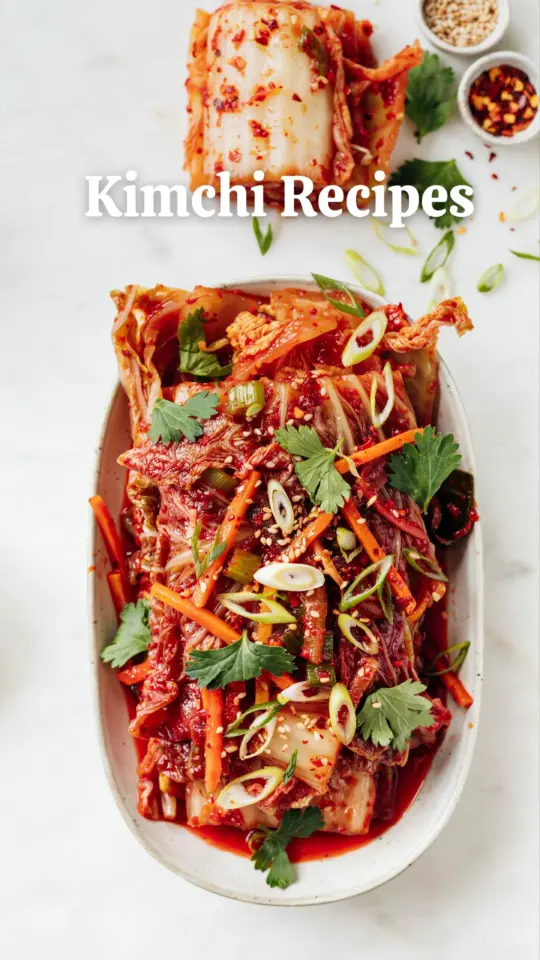
If you love adding heat to your meals, this easy Chinese chili oil will become your new kitchen staple. It takes just 30 minutes to make, using everyday red chili flakes, garlic, onion, and a few aromatics. The result is a deeply fragrant, spicy condiment that works beautifully with Korean dishes like kimchi jjigae, bibimbap, or even simple fried rice. Once you taste homemade, you will never go back to store-bought.
Why Make Your Own Chinese Chili Oil at Home?
Store-bought chili oils can be expensive, and they often contain preservatives or artificial flavors. When you make your own homemade condiment, you control the quality of the oil, the spice level, and the aroma. Plus, the process is surprisingly simple. You do not need any special equipment, just a saucepan and a heatproof bowl.
Another advantage is freshness. Freshly made chili oil has a bright, layered taste that bottled versions lack. The toasted garlic and onion add a savory depth that plain chili flakes cannot deliver. Once you see how easy it is, you will want to keep a jar in your fridge at all times.
Ingredients You Need for This Easy Chinese Chili Oil Recipe
Most ingredients are common pantry items. Here is what you will need for a basic batch (makes about 1 cup):
- Red chili flakes (crushed red pepper) – ½ cup. Use a medium-coarse grind for balanced heat and texture.
- Garlic – 4 cloves, thinly sliced.
- Onion – ½ medium onion, thinly sliced.
- Neutral oil – 1 cup. Grapeseed, avocado, or peanut oil work well. Avoid olive oil because its flavor overpowers.
- Sichuan peppercorns (optional) – 1 teaspoon for a numbing kick typical of Chinese chili oil.
- Star anise – 2 pods.
- Cinnamon stick – 1 small piece.
- Bay leaf – 1 leaf.
- Salt – ½ teaspoon, or to taste.
You can skip the Sichuan peppercorns if you prefer a straightforward spicy oil. The star anise and cinnamon add a subtle warmth that pairs beautifully with Korean flavors.
Step-by-Step: How to Make Chinese Chili Oil in 30 Minutes
Follow these steps carefully to avoid burning the aromatics. Burnt garlic or onion will make the oil bitter. Take your time during the frying stage.
First, place the chili flakes in a heatproof bowl. Set it aside. In a small saucepan, combine the oil, sliced garlic, sliced onion, Sichuan peppercorns (if using), star anise, cinnamon stick, and bay leaf. Heat over medium-low flame. You want the oil to gently sizzle around the aromatics, not smoke.
Cook the mixture for about 8 to 10 minutes, stirring occasionally. The garlic should turn golden brown, and the onion should become translucent with browned edges. Remove the pan from the heat. Carefully pour the hot oil through a fine-mesh strainer directly onto the chili flakes in the bowl. Discard the solids (or save the crispy garlic and onion for another use, like topping noodles).
Stir the chili oil gently. Add salt and let it cool to room temperature. The oil will continue to infuse as it cools. After about 20 minutes, you will see a rich red color develop. That is the chili flakes releasing their flavor.
Pro tip: If you want a darker, more intense oil, you can add a second pour of hot oil (without aromatics) after the first batch cools slightly. This method is common in Sichuan kitchens.
How to Customize Your Chili Oil for Korean Dishes
This Chinese chili oil recipe already works well with Korean food, but you can tweak it to match specific dishes. For instance, if you plan to use it in kimchi jjigae (kimchi stew), consider adding a teaspoon of gochugaru (Korean red pepper flakes) along with the Chinese chili flakes. Gochugaru has a smoky, slightly sweet heat that complements the stew.
For bibimbap, you might want a milder oil that leans more aromatic than spicy. Reduce the chili flakes to ⅓ cup and add an extra star anise. This gives the oil a floral note that contrasts nicely with the savory gochujang sauce.
Another idea: toast a small piece of dried kelp (dashima) in the oil before straining. The seaweed adds a subtle umami that enhances Korean stews and braised dishes. Just be careful not to burn it – remove the kelp after 30 seconds in the hot oil.
Leave a Comment